T‑Mobile
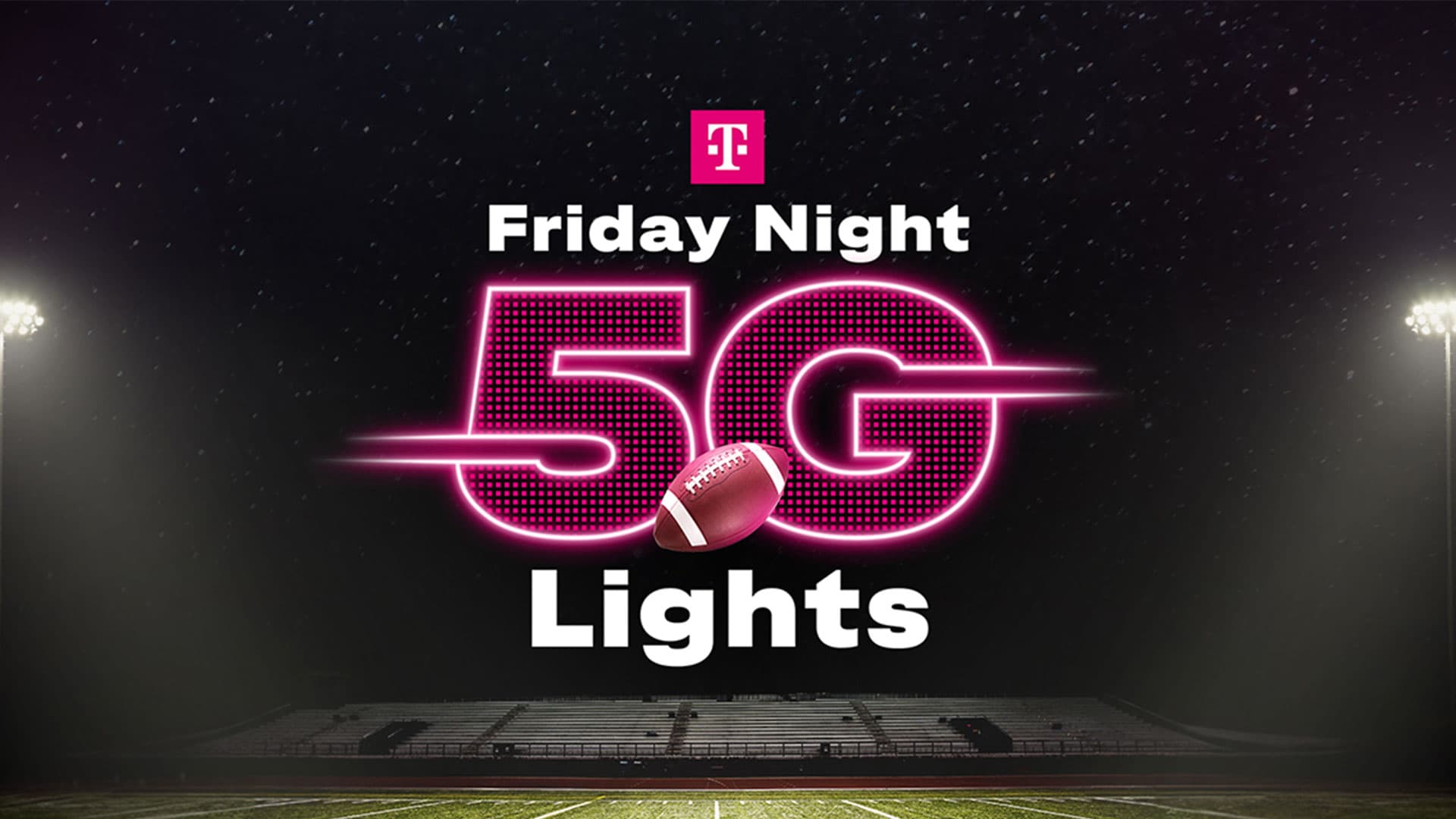
Friday Night 5G Lights
2,000+ schools, 8M+ votes, $1M+ grand prize.
The Problem
Friday Night 5G Lights is a massive T‑Mobile program. National sweepstakes, thousands of high schools competing for a $1M+ prize package... including a field makeover, Gronk Fitness gym equipment from Rob Gronkowski, trip to the SEC Championship, and all the things that a small, local high school would love for their football program. The 2025 season was the program's second year, and the biggest challenge was bringing the majority of functionality in-house.
Year 1 was mostly handled by external agencies. For Year 2, the goal was to bring the core experience in-house: dynamic leaderboard, interactive school map, school directory, and all the animations... built to properly run in AEM. That meant coordinating with the partners who managed the program data while we built the front-end internally.
The Approach
This was a big one. Pre-registration, registration, then the competition itself, each with different requirements and different builds.
I coordinated with an external agency that managed the program data to build APIs for the school directory, interactive map, and dynamic leaderboard (which included the actual voting mechanism). That meant defining the data schema, component requirements, and integration patterns, all within AEM's constraints.
Since this was a high-profile program with its own visual identity, we couldn't use standard T‑Mobile page components. We designed and built custom animations and patterns that matched the Friday Night 5G Lights brand. It had to feel completely different from standard T‑Mobile pages.
I was the Technical Lead. I set the design and development direction for every dynamic component, managed front-end development, coordinated with the data partner on integration, and wrote a large share of the components myself to hit the launch dates.
The tech stack was HTML, CSS, and Vanilla JavaScript. For build and testing, we used Vite with custom export patterns to generate code compatible with AEM.
The Result
2,000+ schools applied. 8M+ votes cast. 450 schools took home $5K through the weekly sweepstakes, 25 finalists got $25K each, and Dierks High School in Arkansas won the whole thing. Prize package worth over $1 million.
Every dynamic component (leaderboard, map, directory, voting) built in-house and running in AEM. Program renewed for 2026.
Video Demo
The Details
Tech Stack
Key Challenges
- Bringing the entire front-end in-house from external agencies while maintaining program continuity.
- Coordinating data APIs across multiple external partners and integrating into AEM's constraints.
- Building custom animations and visual identity for a program that needed to feel distinct from standard T‑Mobile pages.
Live Project
www.t-mobile.com/brand/friday-night-5g-lights→Work shown was created in my role at T‑Mobile. T‑Mobile is a trademark of T‑Mobile USA, Inc. This site isn't affiliated with or endorsed by T‑Mobile.
More Work
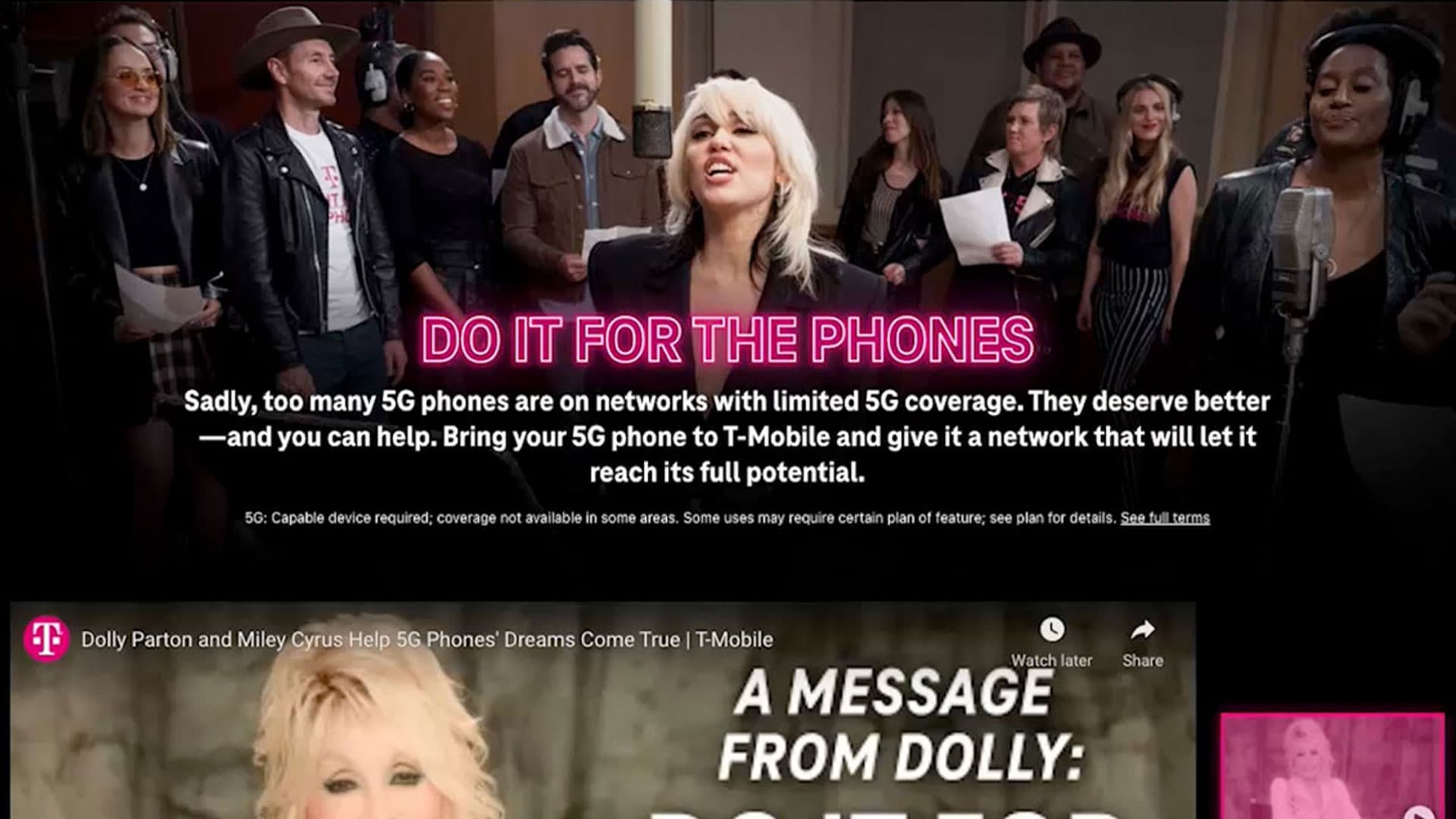
Super Bowl Landing Page
Custom execution for T‑Mobile's biggest digital moment of the year.
GameShuffle
A game-night platform for streamers, friend groups and Discord communities, built solo from database to overlay.
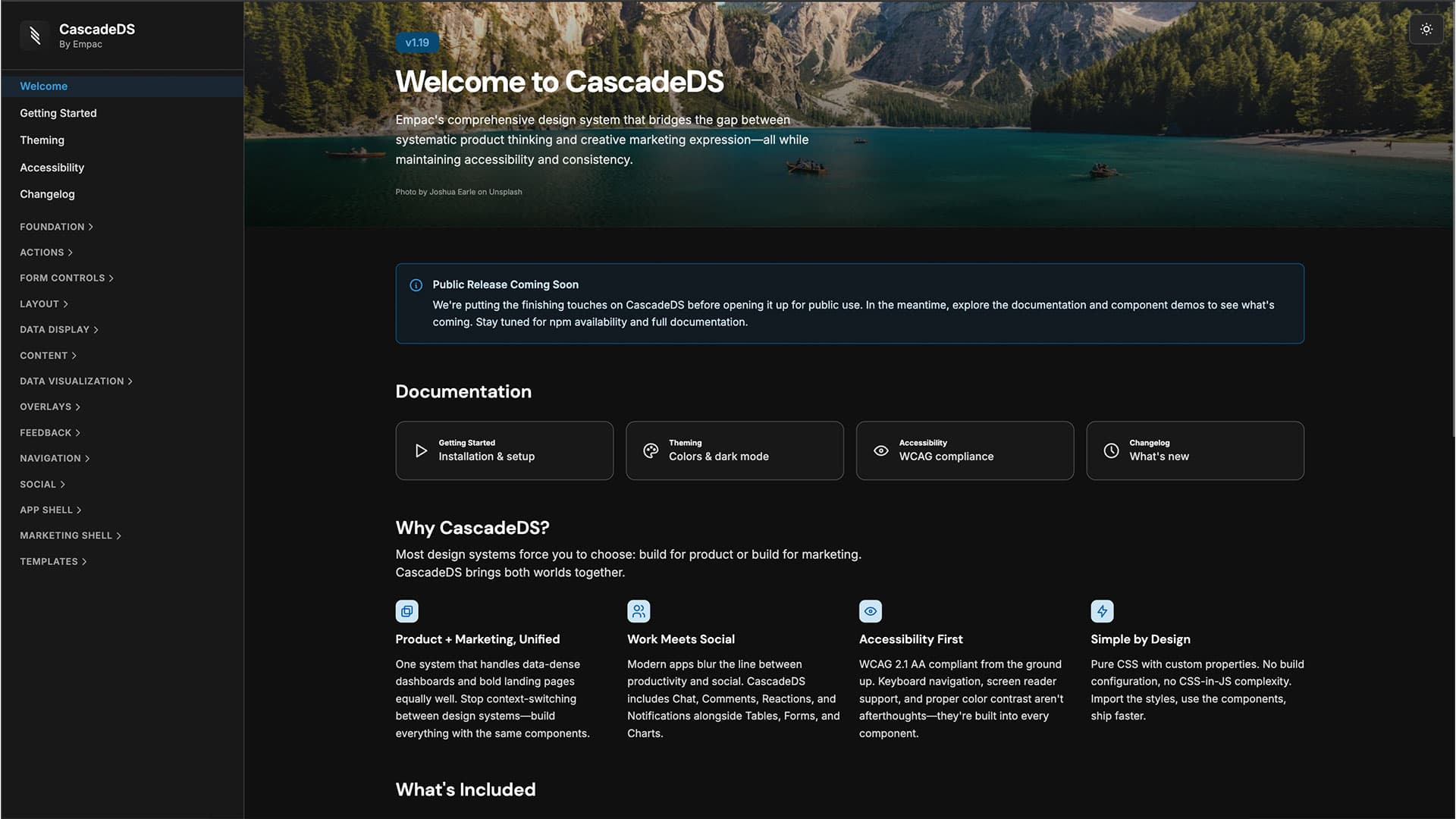
CascadeDS
A design system that powers everything I build.